December 22, 2025
Why B2B companies do not have a lead problem, but rather a pipeline problem
Why B2B companies do not have a lead problem, but rather a pipeline problem

Many B2B companies invest heavily in marketing, ads, and lead generation. Yet, revenue often falls short of expectations. The so-called lead problem is a frequently discussed topic that affects many companies. The reason is rarely the product. And almost never the market.
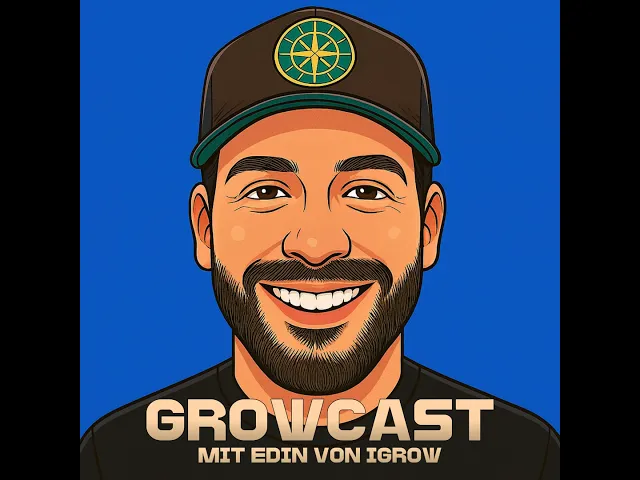
*If you don’t have time to read the post, then listen to our latest podcast episode on this topic
The real issue lies in the sales pipeline. Problems often arise in the processing and follow-up of leads due to missing processes or inadequate scaling. To solve these problems, it is crucial that all relevant information on leads is collected and utilized centrally. Only then can a complete view of potential customers be ensured. The quality and completeness of the collected information play a central role in lead management to effectively qualify leads and guide them through the customer journey. Lead management is a central process in companies aimed at identifying, organizing, and developing potential customers.
Or as it was succinctly stated in the podcast:
“The product is rarely the problem. The bottleneck is almost always the system.”– Edin Cerimagic
Sales & Marketing in B2B: Lots of activity, little structure
In B2B sales, long decision cycles, multiple stakeholders, and budget approvals collide. Those who work without a system lose deals not to the competition, but to themselves.
Typical symptoms:
Leads come in but are not consistently processed
No clear follow-up system
Sales and marketing work side by side instead of together
LinkedIn is used but not strategically
CRM exists but is not actively used
To overcome these challenges, companies should ask themselves the right questions – such as about goal definition, identification of the buyer persona, and continuous optimization of their lead management processes.
“Many have a skill set and can help customers. But they are lost because they lack a sales system.”– Erik Gudi
Especially in the B2B sector, it is essential to choose the right actions and target the right audience to maximize the efficiency of lead generation and the quality of leads. Only then can sustainable successes be achieved.
The close collaboration between marketing and sales is indispensable to fully leverage the potential of lead management.
The sales pipeline is not a funnel, but a system
A functioning sales pipeline does not consist of leads but of clear processes:
Lead entry
Qualification
Prioritization
Follow-ups
Decision support
At the beginning of the funnel, the quantity of leads is usually high, but targeted qualification reduces this number while increasing quality and the likelihood of sales opportunities.
Leads must be systematically identified, evaluated, and nurtured to ensure the success of lead management.
Without this structure, conversion rates remain low, even in high demand.
“If a customer gets 300 leads a year but has no follow-up system, three or four percent convert in the end.”– Edin Cerimagic
In B2B, deals often only close after the third, fourth, or fifth contact. Those who give up early miss out on revenue. Identifying and purposefully processing sales opportunities is crucial to prioritize the best leads in the system and maximize sales success.
Understanding the customer journey: From lead to real pipeline
The customer journey is the backbone of successful lead management in B2B. It describes the entire process that a potential customer goes through from the first interaction to the completion of the purchase. Those who understand their target audience's customer journey can strategically take the right actions to guide prospects step-by-step through the various phases of the sales funnel.
Each phase – from the awareness phase to the consideration phase to the decision phase – requires specific content and offers. In the initial phase, it often involves informative content that piques interest. Later, concrete solutions and tailored offers persuade. Companies that analyze their customer journey and provide tailored content not only increase their conversion rates but also create a pipeline that enables real sales success.
The goal: Prospects become qualified leads that are systematically guided through the lead management process – until closing and beyond.
Lead problems are usually prioritization problems
Many companies believe they need more leads. In truth, they need better decisions. Lead qualification plays a central role as it helps to prioritize leads effectively and use resources efficiently.
“Of 100 leads, often 70 percent are irrelevant. Lead scoring immediately clarifies who really belongs in the pipeline.”– paraphrased from the conversation, according to Edin Cerimagic
Often, the quality of a lead can only be somewhat assessed since not all relevant information is always available. Lead qualification is a process where potential customers are evaluated to determine their suitability and likelihood of becoming paying customers.
Lead scoring in B2B – even without a large team
Lead scoring is not just a corporate issue. It is an efficiency issue.
“With AI, you can quickly see from LinkedIn profiles and company data whether a lead fits your ICP or not.”– Erik Gudi
Practically, this means:
Inappropriate contacts are sorted out early
Sales focuses on purchase-ready leads
Time and costs decrease
The likelihood of closing increases
In the lead scoring process, the conversion rate is used to assess the likelihood of a successful closing and prioritize leads accordingly. A so-called Sales Qualified Lead (SQL) is a potential customer who is classified as particularly ready to buy based on lead scoring and is passed from marketing to sales. Sales Qualified Leads (SQLs) have a higher potential to become paying customers.
Audience orientation: Bringing the right leads into the system
Successful lead generation starts with a clear definition of the target audience. Only those who understand the needs, challenges, and interests of their potential customers can specifically attract the right leads into the system. Companies that precisely analyze their target audience align their marketing and sales efforts accordingly – avoiding scatter losses.
The selection of the right channels and touchpoints is crucial: Whether social media, email marketing, or targeted content offers – the approach must take place where the target audience is located. Lead magnets such as eBooks, whitepapers, or webinars offer real added value and motivate prospects to leave their contact details. This transforms anonymous visitors into qualified leads that are purposefully integrated into the lead management process.
With a target audience-oriented approach, not only does the quality of leads increase, but so do the conversion rates and thus sustainable sales success.
LinkedIn in B2B: Not a reach channel but building trust
LinkedIn does not operate in B2B through logos, PDFs, and feature posts. It works through people, content, and relevance.
Content marketing plays a central role by specifically creating high-quality content for LinkedIn that attracts potential customers and positions the company as an expert.
Posts on LinkedIn carry special importance: They help build trust with the target audience and support lead generation through valuable insights and practical tips.
Social media platforms like LinkedIn, Facebook, and Instagram also offer excellent opportunities to connect with the target audience and generate qualified leads.
“LinkedIn is strong for demand and trust. Decision-makers build trust there, not purchase pressure.”– Edin Cerimagic
Companies that use LinkedIn correctly:
Think in customer journeys, not campaigns
Focus on personal branding instead of corporate speak
Provide context, not just features
Accept that results take time
“I only saw the real effects of LinkedIn after seven to eight months.”– Erik Gudi
Tools and technologies for successful pipeline management
Without the right tools, every pipeline remains a patchwork. Modern software solutions help companies manage, qualify, and prioritize leads efficiently. CRM systems like Microsoft Dynamics 365 or specialized lead scoring tools ensure that no contact is lost and that each lead receives the appropriate communication at the right time.
Marketing automation tools enable systematic guidance of leads through the funnel and automatically deliver relevant content. Lead scoring helps identify the most valuable contacts and deploy resources effectively. This increases conversion rates and measurably improves sales success.
The selection of the right tools is critical: they must fit the processes and goals of the company and enable seamless collaboration between marketing and sales. Those who invest here lay the foundation for scalable and successful pipeline management.
Focus beats activity: Why structure generates revenue
The biggest time-waster in B2B sales is not the customer. It is chaos.
“One jumps from task to task and does not perform the revenue activities one set out to do.”– Erik Gudi
The solution is simple but effective:
Fixed time blocks for sales
Clear priorities
CRM as a working tool
Recurring routines
The correct application of CRM systems and recurring routines in daily sales activities is crucial to efficiently design processes and increase business success. Structure and focus in sales are the foundation for sustainable business growth, as they improve teamwork and increase revenues. Leads are the fuel for business growth.
An hour of focused sales per day is more valuable than eight hours of reactive work.
Measuring success: What really counts in the pipeline
Success in pipeline management is not a coincidence but the result of consistent measurement and optimization. Companies that monitor their lead generation, marketing, and sales activities based on clearly defined KPIs can early recognize where potentials and bottlenecks lie.
Important metrics include conversion rates in each phase, the number of generated leads, the average turnaround time in the process, and of course, the revenue generated. By regularly analyzing this data, strategies and actions can be specifically adjusted to continuously optimize the pipeline.
Measuring success is an ongoing process – it provides the foundation for informed decisions and sustainable sales success. Those who keep an eye on their pipeline can grow strategically and maximize the return on investment of their marketing and sales activities.
Conclusion: Sales is not a talent. Sales is a system.
Successful B2B sales do not arise from more tools, more leads, or more activity. But through structure, focus, and consistency.
A structured system is crucial for effective customer acquisition and sustainable sales success.
Each lead represents a valuable growth opportunity for your company and should be managed strategically.
Those who have their sales pipeline under control have no excuses.
For more helpful articles and resources on the lead problem and lead management, you can find them in our blog. Alternatively, you can discuss with us in a Smart Growth Call the three growth levers we can recommend to you, without obligation.
Many B2B companies invest heavily in marketing, ads, and lead generation. Yet, revenue often falls short of expectations. The so-called lead problem is a frequently discussed topic that affects many companies. The reason is rarely the product. And almost never the market.
*If you don’t have time to read the post, then listen to our latest podcast episode on this topic
The real issue lies in the sales pipeline. Problems often arise in the processing and follow-up of leads due to missing processes or inadequate scaling. To solve these problems, it is crucial that all relevant information on leads is collected and utilized centrally. Only then can a complete view of potential customers be ensured. The quality and completeness of the collected information play a central role in lead management to effectively qualify leads and guide them through the customer journey. Lead management is a central process in companies aimed at identifying, organizing, and developing potential customers.
Or as it was succinctly stated in the podcast:
“The product is rarely the problem. The bottleneck is almost always the system.”– Edin Cerimagic
Sales & Marketing in B2B: Lots of activity, little structure
In B2B sales, long decision cycles, multiple stakeholders, and budget approvals collide. Those who work without a system lose deals not to the competition, but to themselves.
Typical symptoms:
Leads come in but are not consistently processed
No clear follow-up system
Sales and marketing work side by side instead of together
LinkedIn is used but not strategically
CRM exists but is not actively used
To overcome these challenges, companies should ask themselves the right questions – such as about goal definition, identification of the buyer persona, and continuous optimization of their lead management processes.
“Many have a skill set and can help customers. But they are lost because they lack a sales system.”– Erik Gudi
Especially in the B2B sector, it is essential to choose the right actions and target the right audience to maximize the efficiency of lead generation and the quality of leads. Only then can sustainable successes be achieved.
The close collaboration between marketing and sales is indispensable to fully leverage the potential of lead management.
The sales pipeline is not a funnel, but a system
A functioning sales pipeline does not consist of leads but of clear processes:
Lead entry
Qualification
Prioritization
Follow-ups
Decision support
At the beginning of the funnel, the quantity of leads is usually high, but targeted qualification reduces this number while increasing quality and the likelihood of sales opportunities.
Leads must be systematically identified, evaluated, and nurtured to ensure the success of lead management.
Without this structure, conversion rates remain low, even in high demand.
“If a customer gets 300 leads a year but has no follow-up system, three or four percent convert in the end.”– Edin Cerimagic
In B2B, deals often only close after the third, fourth, or fifth contact. Those who give up early miss out on revenue. Identifying and purposefully processing sales opportunities is crucial to prioritize the best leads in the system and maximize sales success.
Understanding the customer journey: From lead to real pipeline
The customer journey is the backbone of successful lead management in B2B. It describes the entire process that a potential customer goes through from the first interaction to the completion of the purchase. Those who understand their target audience's customer journey can strategically take the right actions to guide prospects step-by-step through the various phases of the sales funnel.
Each phase – from the awareness phase to the consideration phase to the decision phase – requires specific content and offers. In the initial phase, it often involves informative content that piques interest. Later, concrete solutions and tailored offers persuade. Companies that analyze their customer journey and provide tailored content not only increase their conversion rates but also create a pipeline that enables real sales success.
The goal: Prospects become qualified leads that are systematically guided through the lead management process – until closing and beyond.
Lead problems are usually prioritization problems
Many companies believe they need more leads. In truth, they need better decisions. Lead qualification plays a central role as it helps to prioritize leads effectively and use resources efficiently.
“Of 100 leads, often 70 percent are irrelevant. Lead scoring immediately clarifies who really belongs in the pipeline.”– paraphrased from the conversation, according to Edin Cerimagic
Often, the quality of a lead can only be somewhat assessed since not all relevant information is always available. Lead qualification is a process where potential customers are evaluated to determine their suitability and likelihood of becoming paying customers.
Lead scoring in B2B – even without a large team
Lead scoring is not just a corporate issue. It is an efficiency issue.
“With AI, you can quickly see from LinkedIn profiles and company data whether a lead fits your ICP or not.”– Erik Gudi
Practically, this means:
Inappropriate contacts are sorted out early
Sales focuses on purchase-ready leads
Time and costs decrease
The likelihood of closing increases
In the lead scoring process, the conversion rate is used to assess the likelihood of a successful closing and prioritize leads accordingly. A so-called Sales Qualified Lead (SQL) is a potential customer who is classified as particularly ready to buy based on lead scoring and is passed from marketing to sales. Sales Qualified Leads (SQLs) have a higher potential to become paying customers.
Audience orientation: Bringing the right leads into the system
Successful lead generation starts with a clear definition of the target audience. Only those who understand the needs, challenges, and interests of their potential customers can specifically attract the right leads into the system. Companies that precisely analyze their target audience align their marketing and sales efforts accordingly – avoiding scatter losses.
The selection of the right channels and touchpoints is crucial: Whether social media, email marketing, or targeted content offers – the approach must take place where the target audience is located. Lead magnets such as eBooks, whitepapers, or webinars offer real added value and motivate prospects to leave their contact details. This transforms anonymous visitors into qualified leads that are purposefully integrated into the lead management process.
With a target audience-oriented approach, not only does the quality of leads increase, but so do the conversion rates and thus sustainable sales success.
LinkedIn in B2B: Not a reach channel but building trust
LinkedIn does not operate in B2B through logos, PDFs, and feature posts. It works through people, content, and relevance.
Content marketing plays a central role by specifically creating high-quality content for LinkedIn that attracts potential customers and positions the company as an expert.
Posts on LinkedIn carry special importance: They help build trust with the target audience and support lead generation through valuable insights and practical tips.
Social media platforms like LinkedIn, Facebook, and Instagram also offer excellent opportunities to connect with the target audience and generate qualified leads.
“LinkedIn is strong for demand and trust. Decision-makers build trust there, not purchase pressure.”– Edin Cerimagic
Companies that use LinkedIn correctly:
Think in customer journeys, not campaigns
Focus on personal branding instead of corporate speak
Provide context, not just features
Accept that results take time
“I only saw the real effects of LinkedIn after seven to eight months.”– Erik Gudi
Tools and technologies for successful pipeline management
Without the right tools, every pipeline remains a patchwork. Modern software solutions help companies manage, qualify, and prioritize leads efficiently. CRM systems like Microsoft Dynamics 365 or specialized lead scoring tools ensure that no contact is lost and that each lead receives the appropriate communication at the right time.
Marketing automation tools enable systematic guidance of leads through the funnel and automatically deliver relevant content. Lead scoring helps identify the most valuable contacts and deploy resources effectively. This increases conversion rates and measurably improves sales success.
The selection of the right tools is critical: they must fit the processes and goals of the company and enable seamless collaboration between marketing and sales. Those who invest here lay the foundation for scalable and successful pipeline management.
Focus beats activity: Why structure generates revenue
The biggest time-waster in B2B sales is not the customer. It is chaos.
“One jumps from task to task and does not perform the revenue activities one set out to do.”– Erik Gudi
The solution is simple but effective:
Fixed time blocks for sales
Clear priorities
CRM as a working tool
Recurring routines
The correct application of CRM systems and recurring routines in daily sales activities is crucial to efficiently design processes and increase business success. Structure and focus in sales are the foundation for sustainable business growth, as they improve teamwork and increase revenues. Leads are the fuel for business growth.
An hour of focused sales per day is more valuable than eight hours of reactive work.
Measuring success: What really counts in the pipeline
Success in pipeline management is not a coincidence but the result of consistent measurement and optimization. Companies that monitor their lead generation, marketing, and sales activities based on clearly defined KPIs can early recognize where potentials and bottlenecks lie.
Important metrics include conversion rates in each phase, the number of generated leads, the average turnaround time in the process, and of course, the revenue generated. By regularly analyzing this data, strategies and actions can be specifically adjusted to continuously optimize the pipeline.
Measuring success is an ongoing process – it provides the foundation for informed decisions and sustainable sales success. Those who keep an eye on their pipeline can grow strategically and maximize the return on investment of their marketing and sales activities.
Conclusion: Sales is not a talent. Sales is a system.
Successful B2B sales do not arise from more tools, more leads, or more activity. But through structure, focus, and consistency.
A structured system is crucial for effective customer acquisition and sustainable sales success.
Each lead represents a valuable growth opportunity for your company and should be managed strategically.
Those who have their sales pipeline under control have no excuses.
For more helpful articles and resources on the lead problem and lead management, you can find them in our blog. Alternatively, you can discuss with us in a Smart Growth Call the three growth levers we can recommend to you, without obligation.
Written by:

Edin
Author & Founder
Share this article
Share on X
Share on f
Share on in
Do we really have a lead problem in B2B?
Most of the time, no. In most cases, there is a lack of clear prioritization and a follow-up system within the sales pipeline.
How important are follow-ups in B2B sales?
Extremely important. Many deals only happen after the third to fifth contact. Without follow-ups, revenue is left on the table.
Is lead scoring only useful for large companies?
No. Small teams benefit because they can focus their time on the most relevant leads.
Does LinkedIn really work for B2B sales?
Yes. But not as a quick closure channel, rather as a platform for trust, relevance, and long-term decision-making processes.
What does a CRM really offer?
A CRM brings clarity. Those who use it correctly know at all times where leads stand, who needs to be prioritized, and where follow-ups are lacking.
Related Insights for Success
Do we really have a lead problem in B2B?
Most of the time, no. In most cases, there is a lack of clear prioritization and a follow-up system within the sales pipeline.
How important are follow-ups in B2B sales?
Extremely important. Many deals only happen after the third to fifth contact. Without follow-ups, revenue is left on the table.
Is lead scoring only useful for large companies?
No. Small teams benefit because they can focus their time on the most relevant leads.
Does LinkedIn really work for B2B sales?
Yes. But not as a quick closure channel, rather as a platform for trust, relevance, and long-term decision-making processes.
What does a CRM really offer?
A CRM brings clarity. Those who use it correctly know at all times where leads stand, who needs to be prioritized, and where follow-ups are lacking.
Related Insights for Success
Do we really have a lead problem in B2B?
Most of the time, no. In most cases, there is a lack of clear prioritization and a follow-up system within the sales pipeline.
How important are follow-ups in B2B sales?
Extremely important. Many deals only happen after the third to fifth contact. Without follow-ups, revenue is left on the table.
Is lead scoring only useful for large companies?
No. Small teams benefit because they can focus their time on the most relevant leads.
Does LinkedIn really work for B2B sales?
Yes. But not as a quick closure channel, rather as a platform for trust, relevance, and long-term decision-making processes.
What does a CRM really offer?
A CRM brings clarity. Those who use it correctly know at all times where leads stand, who needs to be prioritized, and where follow-ups are lacking.